Living
Everyone Mistakenly Puts These Foods in The Fridge
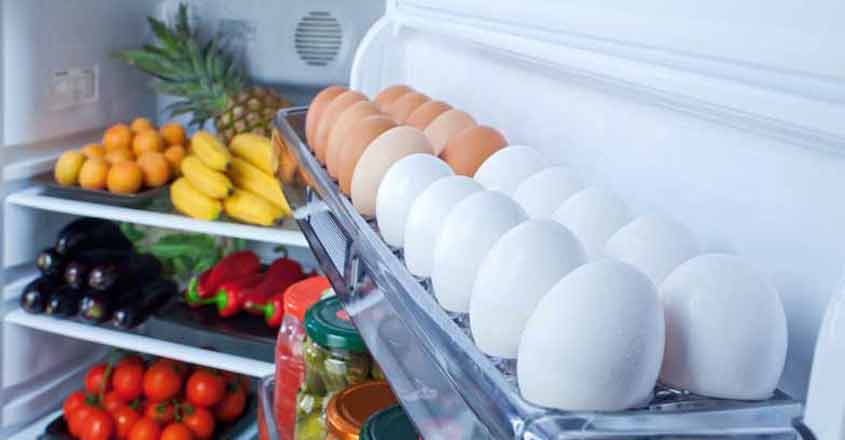
We all rely on our refrigerators to keep our food fresh and tasty. They help prevent spoilage and preserve the flavors we love. However, there are some common misconceptions about what should and shouldn’t go in the fridge. Many of us unknowingly store things in the wrong places, like condiments and fruits that don’t actually need to be cold.
In this article, we’ll uncover the truth about what items should and shouldn’t be stored in the refrigerator. We’ll explain it all in simple terms, so you can make smart choices about where to keep your everyday items. Let’s dive in and learn the real facts behind refrigerator storage, and how it can help keep your food at its best.
Avocados Like To Ripen In The Warmth
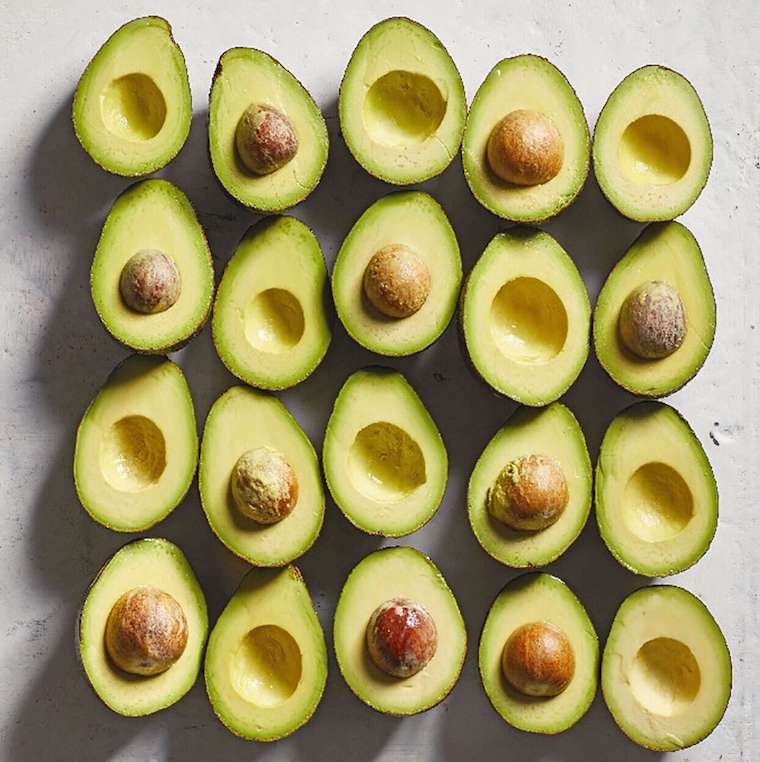
Avocados, known for their buttery texture and vibrant green flesh, have become a staple in many kitchens. But did you know that refrigerating avocados can hinder their ripening process and affect their flavor?
Avocados are climacteric fruits, which means they continue to ripen after being harvested. This ripening process is driven by an enzyme called ethylene, which is released naturally by the fruit. Refrigeration suppresses the production of ethylene and slows down the ripening process, leading to dull, underdeveloped avocados.
Moreover, low temperatures in refrigerators can cause the avocado’s delicate flesh to become rubbery and adversely affect its taste. Cold air can also penetrate the fruit, leading to undesirable texture changes and potential moisture loss.
To ensure optimal ripening and flavor, store unripe avocados at room temperature until they reach the desired ripeness. Once ripe, they can be refrigerated for a few days to prolong their shelf life. By keeping avocados out of the fridge until they are ripe, you can enjoy their creamy goodness at its very best.
An Apple A Day Keeps The Fridge Away
Apples, with their crispness and juicy goodness, are a popular fruit. But did you know that refrigerating apples can compromise their texture and taste? Refrigeration can cause apples to lose moisture, resulting in a mealy and less enjoyable eating experience. The cold air can also affect the natural balance of flavors, diminishing the vibrant and crisp taste we associate with fresh apples.
To maintain optimal quality, store apples at room temperature in a cool, well-ventilated area, away from direct sunlight. If you have a large quantity of apples, consider storing them in a cool cellar or pantry. By keeping apples out of the fridge, we can preserve their natural texture, flavor, and crunch, ensuring a delightful snacking experience.
Display These Bright Fruits On A Table (not in the fridge)
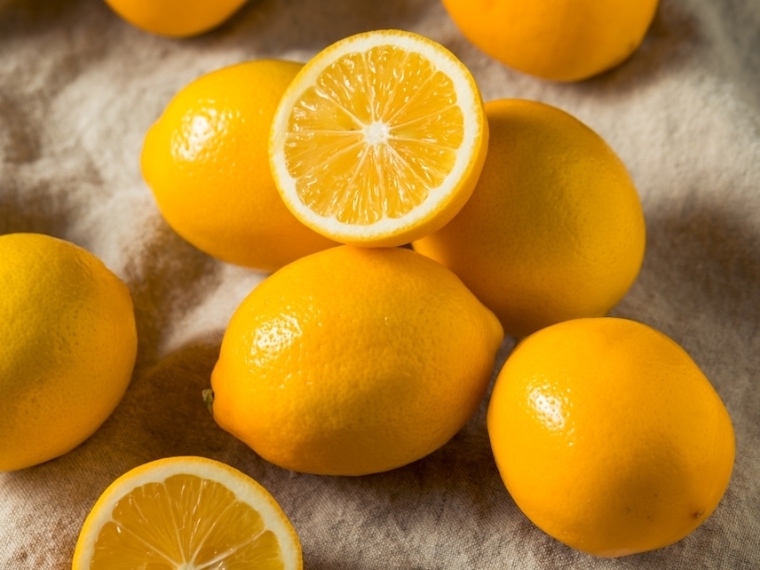
Citrus fruits, like oranges and lemons, bring a burst of tangy flavor and refreshing zest to our meals and beverages. Citrus fruits have a unique structure and composition. When exposed to cold temperatures, the delicate membranes that hold the fruit’s juice can become damaged, leading to a loss of juiciness and texture. Moreover, refrigeration can cause the fruit to dry out, resulting in a less enjoyable eating experience.
Additionally, the low humidity within the fridge can accelerate the breakdown of vitamin C in citrus fruits. Vitamin C is an essential nutrient that contributes to our overall health and immune system function. To retain the maximum vitamin C content, it’s best to store citrus fruits at room temperature.
By storing citrus fruits in a cool, well-ventilated area away from direct sunlight, we can prolong their freshness and preserve their vibrant flavor. Let’s embrace the natural resilience of citrus fruits and relish their juicy goodness by keeping them out of the fridge, ensuring each bite is a refreshing and invigorating delight.
Chocolate Is Best In The Pantry
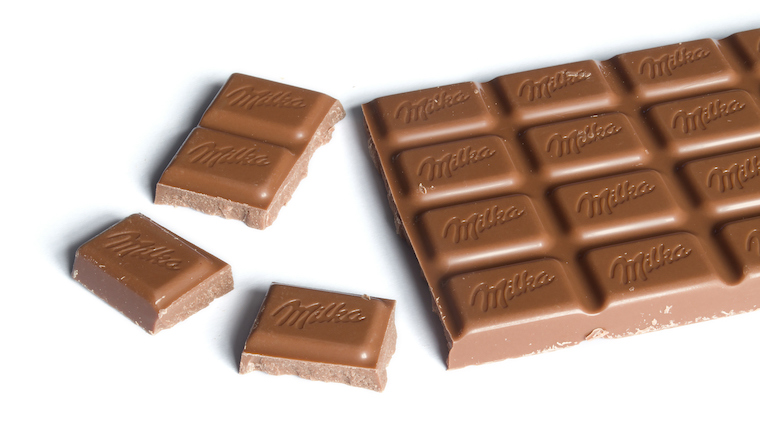
Chocolate, with its delectable taste and creamy texture, is a beloved treat enjoyed by many. But did you know that refrigerating chocolate may not be the best choice? Contrary to popular belief, storing chocolate in the fridge can actually have a negative impact on its flavor and texture. Let’s explore the science behind it.
When chocolate is exposed to cold temperatures, it undergoes a process called “chocolate bloom.” This occurs when moisture condenses on the surface of the chocolate, leading to a dull, whitish appearance. While it is safe to consume, bloomed chocolate loses its smoothness and becomes less appealing.
Furthermore, refrigeration can also cause chocolate to absorb odors from other foods, altering its taste. The cool, moist environment can introduce unwanted flavors, compromising the rich and distinctive character we love in chocolate.
To maintain the quality of your chocolate, store it in a cool, dry place at a consistent temperature between 60°F and 70°F (15°C and 21°C). A pantry or cupboard away from direct sunlight is an ideal spot. By doing so, you can savor the true essence of your favorite chocolate treats, ensuring a delightful and unblemished indulgence every time.
Tomato Flavor Dulls In The Fridge
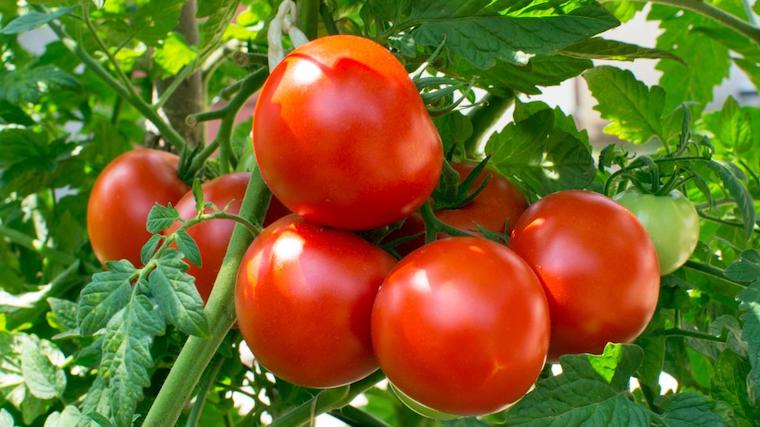
Tomatoes, with their vibrant colors and juicy flesh, are a versatile ingredient enjoyed in various dishes. However, did you know that refrigerating tomatoes can negatively impact their flavor and texture?
Tomatoes are highly sensitive to temperature changes, especially when exposed to cold environments. Refrigeration can cause the tomato’s delicate cell structure to break down, resulting in a mealy texture and loss of their characteristic juiciness. The cool temperature also hampers the natural ripening process, leading to a less flavorful tomato.
The cold environment of the fridge can affect the tomato’s flavor profile. Low temperatures can inhibit the production of volatile compounds responsible for their rich taste and aroma, resulting in a blander eating experience.
These Tear-Inducing Flavor Bombs, Would Rather Not Mingle With The Cold Crowd
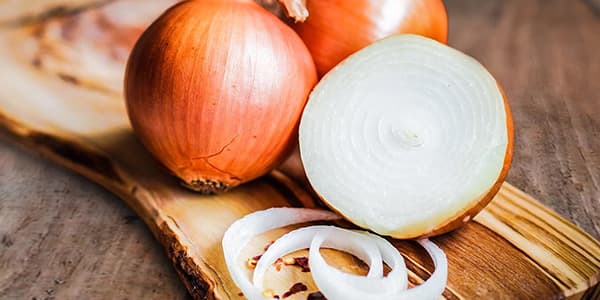
Onions prefer to show off their pungent personalities when stored at room temperature. While it may seem intuitive to store onions in the fridge, doing so can actually compromise their texture and taste.
Onions are sensitive to moisture and cold temperatures. Refrigeration exposes them to excess moisture, leading to a higher likelihood of mold and decay. The cool environment of the fridge can also cause onions to become soft and mushy, diminishing their natural crunch and texture.
Additionally, onions have a natural tendency to absorb odors from their surroundings. Placing them in the fridge alongside other strong-smelling foods can result in an undesirable taste transfer, affecting the overall flavor of the onions.
Ah, The Versatile Eggs!
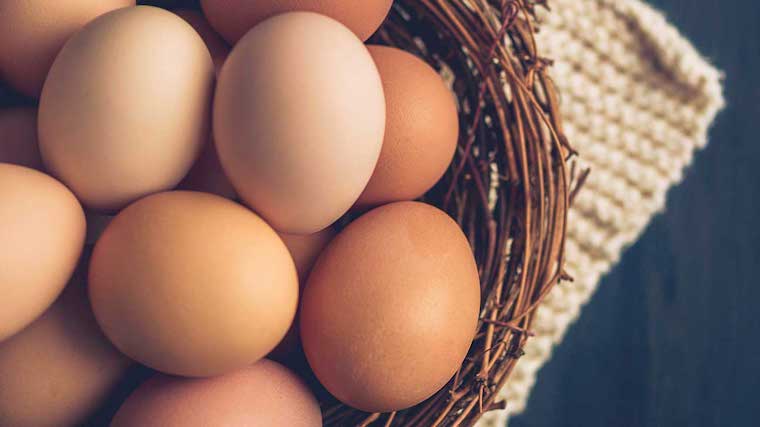
Eggs, a breakfast staple, provide us with a nutritional boost and culinary possibilities. While it may seem logical to store eggs in the fridge, refrigeration is not always necessary.
Eggshells are porous, allowing for the exchange of gases. When eggs are refrigerated, condensation can form on the shell’s surface, making it easier for bacteria to penetrate. The cold temperature inside the fridge can cause flavor absorption, exposing eggs to odors from other foods.
Interestingly, eggs come with a natural protective coating called the “bloom” or cuticle, which helps seal the shell and preserves freshness. Refrigeration can wash away this protective layer, making eggs more susceptible to contamination.
To maximize the quality and shelf life of eggs, store them in a cool, dry place, ideally in their original carton. This allows them to maintain their natural freshness and protective bloom. By adopting conservational storage practices, we can enjoy eggs that retain their flavor, nutritional value, and versatility in various culinary creations.
Sweet, Golden Honey—The Nectar Of The Gods—Has No Need For Refrigeration

Honey, a natural sweetener cherished for its golden hue and rich taste, holds a special place in our kitchens. However, refrigerating honey may not be the best way to preserve its quality and deliciousness.
Honey is a natural preservative. It has a low moisture content and a high sugar concentration, creating an environment that is unfavorable for bacterial growth. Refrigeration can introduce moisture, leading to potential fermentation and spoilage.
Moreover, cold temperatures cause honey to thicken and crystallize, making it harder to scoop and enjoy. While crystallization is a natural process, refrigeration accelerates this transformation, altering the texture and consistency of honey.
To keep honey fresh and flowing, store it in a cool, dry place at room temperature. Ensure the container is tightly sealed to prevent moisture absorption.
Don’t Jam This Item In The Fridge
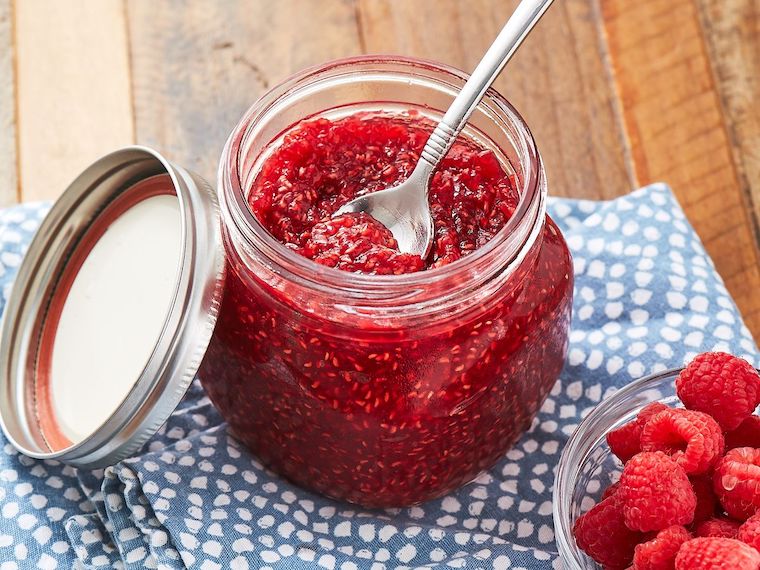
Jam, a delightful spread bursting with fruity flavors, adds a touch of sweetness to our breakfasts and desserts. While it may seem logical to store jam in the fridge, refrigeration is not essential for its preservation.
Jam contains high levels of sugar, acting as a natural preservative. This high sugar content creates an inhospitable environment for bacterial growth, ensuring the long-term safety of the product. Refrigeration is unnecessary for maintaining the freshness and quality of properly sealed jam.
Additionally, cold temperatures can cause the jam to solidify and lose its spreadable consistency. The cool environment of the fridge can also lead to moisture absorption, compromising the texture and taste of the jam.
To keep jam at its best, store it in a cool, dark pantry or cupboard, away from direct sunlight and excessive heat. Ensure the jar is tightly sealed to prevent air exposure.
Cucumbers Don’t Like To Be Kept Cool
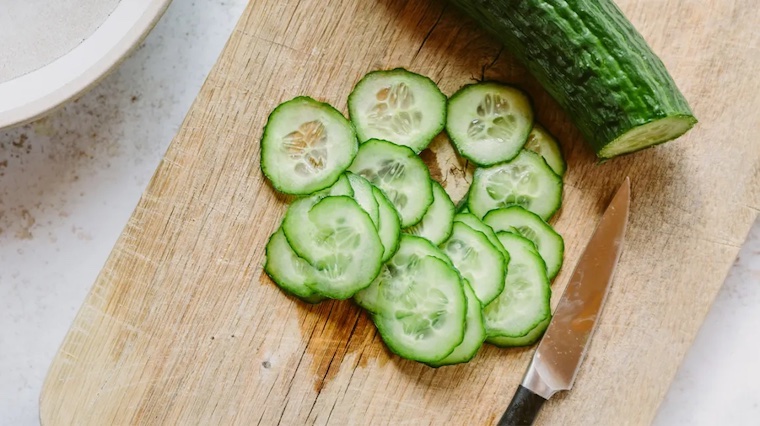
Crisp, cool, and oh-so-refreshing, cucumbers are a popular addition to salads and sandwiches. Cucumbers are composed mostly of water, making them sensitive to cold temperatures. Refrigeration can cause the cucumber’s cells to break down, resulting in a soggy and wilted texture. The cool environment of the fridge can also accelerate moisture loss, leading to dehydration and a loss of freshness.
Moreover, cucumbers are known for their natural defense mechanism: an enzyme called “pectinase.” When exposed to temperatures below 50°F (10°C), this enzyme becomes active and can cause the cucumber to become soft and mushy.
To maintain the optimal texture and taste of cucumbers, store them in a cool, dry place away from direct sunlight. If needed, wrap them loosely in a cloth or paper towel to absorb excess moisture.
Ketchup Belongs In The Pantry
Ketchup, the trusty sidekick of fries and burgers, holds its own without refrigeration. Its tangy goodness and vibrant red color are ever-ready to add that extra zing to your favorite meals. It’s time to set ketchup free from the clutches of the fridge!
Garlic Thrives On Your Countertop
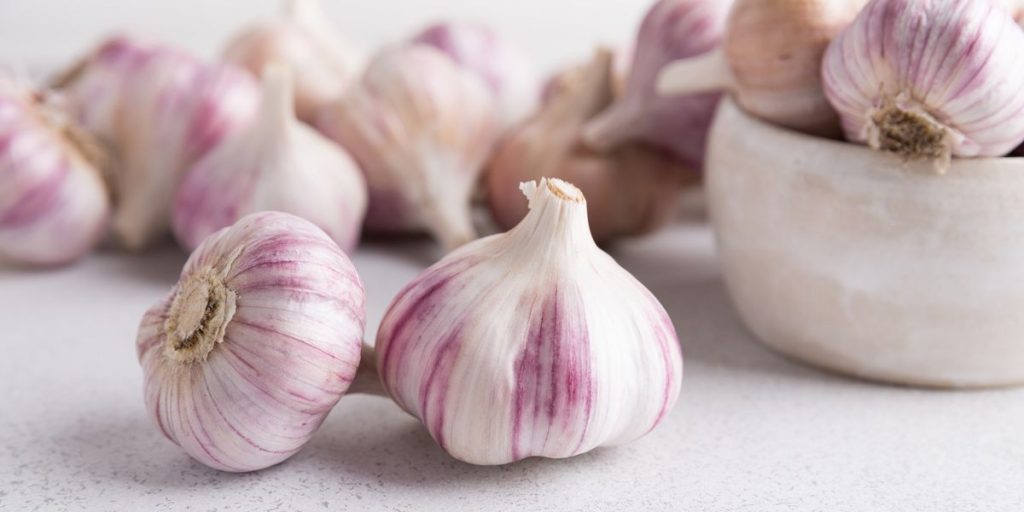
Garlic, the vampire’s worst nightmare and the chef’s best friend, loves to hang out on the countertop. Its powerful aroma and zesty kick bring life to any dish. No need to lock this flavor powerhouse in the fridge—it enjoys its independence!
Sitting Alongside Ketchup Outside Of the Fridge Is Mustard
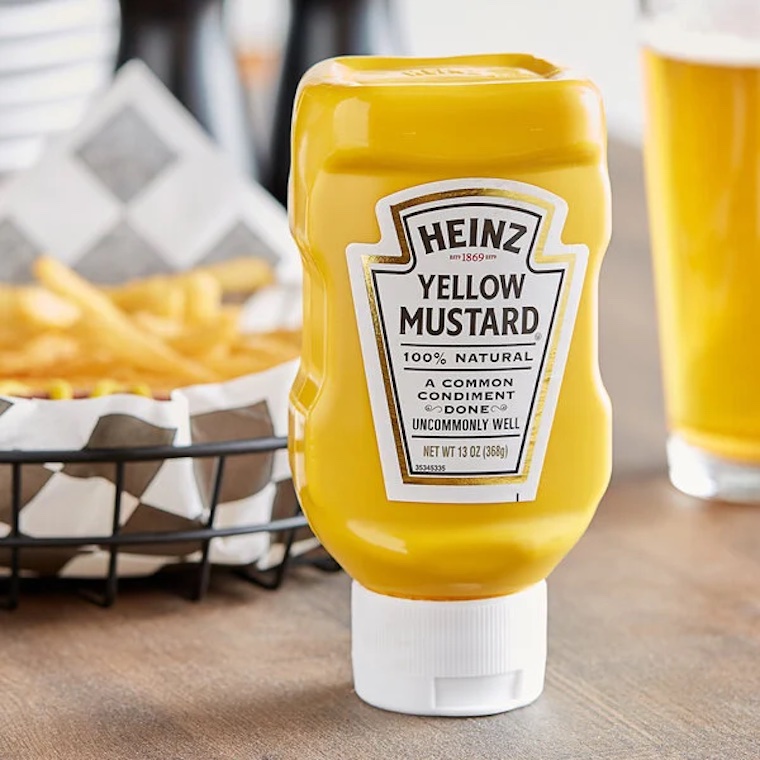
Oh, mustard, the golden warrior of condiments, doesn’t mind a little warmth. It’s ready to add a tangy twist to your sandwiches and hot dogs, even without the icy embrace. Let it break free and show its true colors!
Pickled Pickles In the Pantry
Pickles, the zingy cucumbers that took a flavorful plunge, are happy as can be outside the fridge. Their crisp texture and sour punch can brighten up any meal. So keep them out, and they’ll be your crunchy companions!
Banana’s Do Best On Your Shelf
Bananas, those sunny companions of joy, prefer to stay out of the frosty limelight. With their vibrant yellow hues and buttery-soft texture, they add a touch of tropical zest to your day. So let them roam free, unburdened by the chilling embrace of the fridge.
Keep This One At Room Temperature Please
Soy sauce, the dark knight of umami, doesn’t need the cold shoulder. Its savory depth and salty splendor enhance stir-fries and sushi rolls alike. Let it flow freely from its bottle—no fridge time required!
Olive Oil Shines Outside Of The Fridge

Olive oil, the liquid gold of the Mediterranean, isn’t fond of frosty environments. Its rich flavors and silky texture shine when stored in a cool, dark pantry. Let it be the shining star of your dressings and culinary creations!
Keep This Spicy Peppers In The Warmth
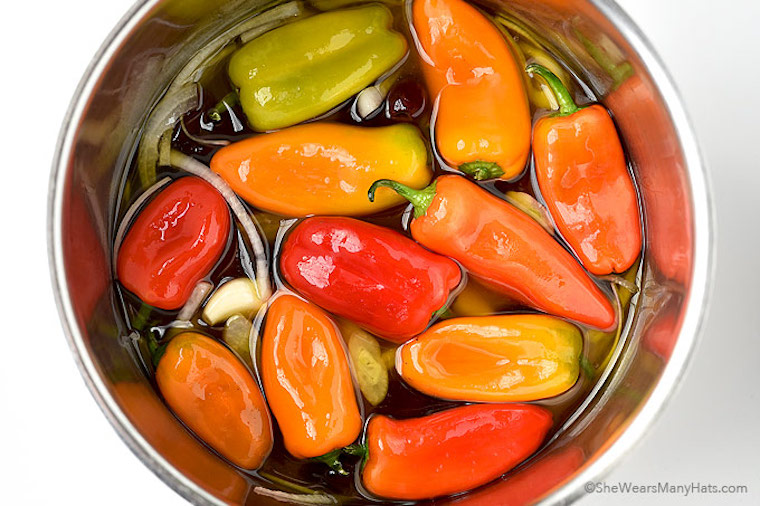
Spicy, tangy, and full of personality, pickled peppers are the life of the party. They revel in their jar, bursting with flavor and ready to spice up your sandwiches and nachos. No fridge chains can contain their fiery spirit!
Keep These Accessible And Ready To Munch

Carrots, those vibrant orange wonders, prefer the crispness of the kitchen counter. Their natural sweetness and satisfying crunch make them a perfect snack or a colorful addition to your salads.
Ah, The Tantalizing Taste Of The Tropics

Fruits like mangoes, pineapples, and papayas prefer the warm embrace of your countertop. Their juicy goodness and vibrant colors bring a slice of paradise to your day. Keep them outside the fridge to enjoy their exotic allure!
Creamy Or Crunchy, Peanut Butter Doesn’t Mind A Little Warmth
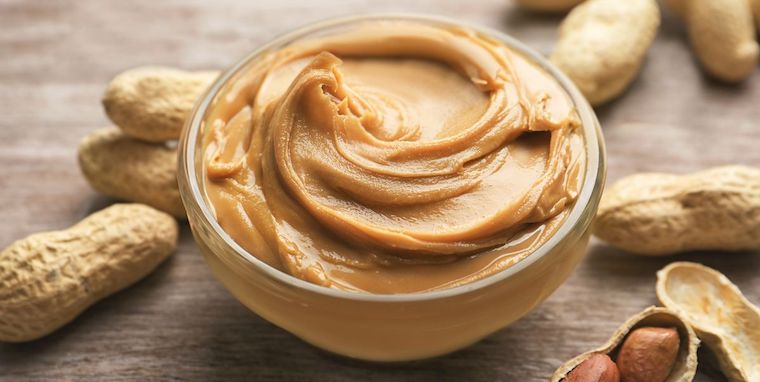
This nutty spread sticks to its principles even outside the fridge. Slather it on toast, mix it in smoothies, or enjoy it straight from the jar—the choice is yours!
Bread Enjoys A Cozy Spot On Your Kitchen Counter

Its soft, pillowy goodness is at its best when kept at room temperature. Savor the aroma as you slice into a fresh loaf and let your taste buds rejoice!
Let These Melons Mellow
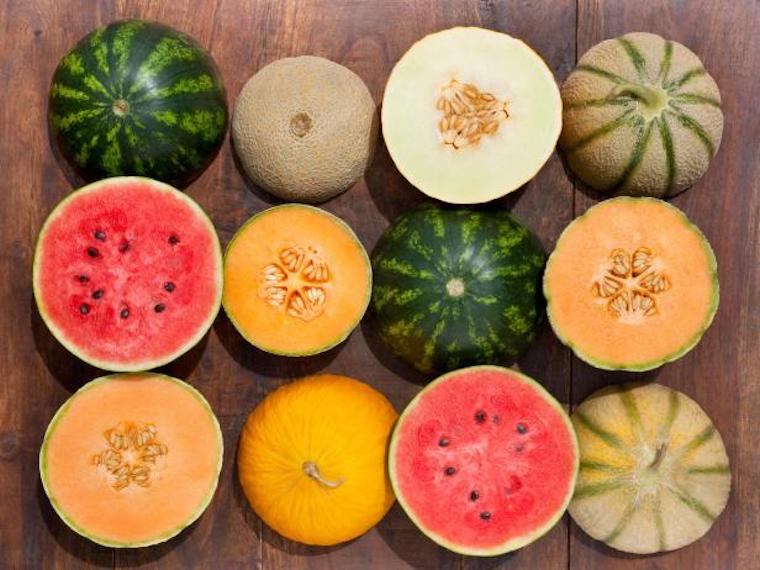
Watermelons, cantaloupes, and honeydews—they’re the refreshing kings of summer. These juicy orbs thrive outside the fridge, ripening into succulent delights. Take a bite and let the sweet juices burst forth, quenching your thirst in the most delightful way!
Pears Do Best In Plain Sight
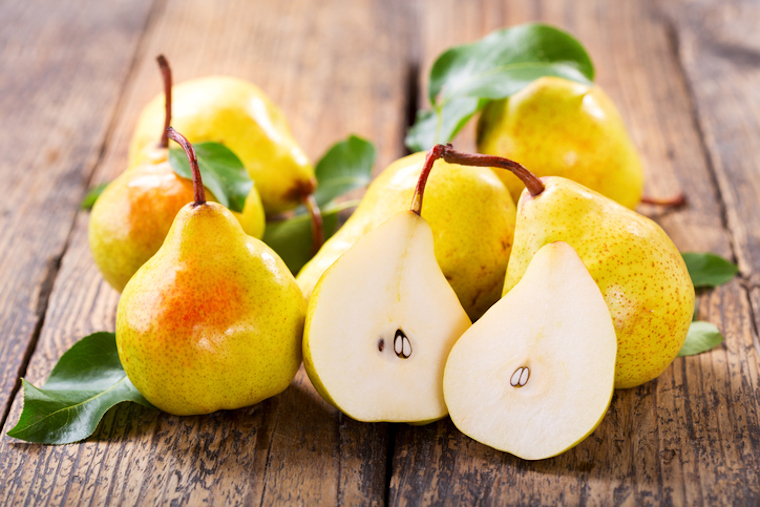
Pears, the elegant and juicy fruits, are at their peak when given a little freedom. Let them grace your countertop, turning from firm to juicy perfection. Sink your teeth into their delicate flesh and experience a symphony of flavors!
Flour, The Versatile Foundation Of Baking, Doesn’t Need To Chill Out
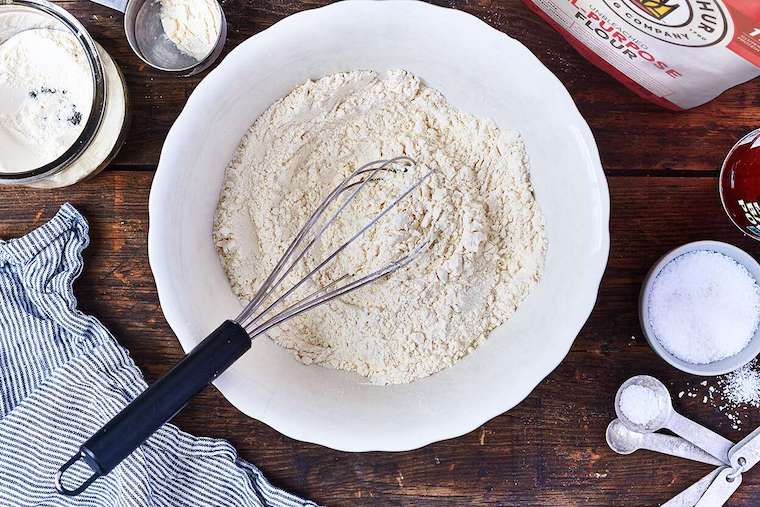
Keep it in a dry and cool pantry to maintain its powdery perfection. Let it unleash its magic as you create fluffy cakes, crispy cookies, and delectable pastries!
Potatoes Thrive In A Dark And Dry Environment
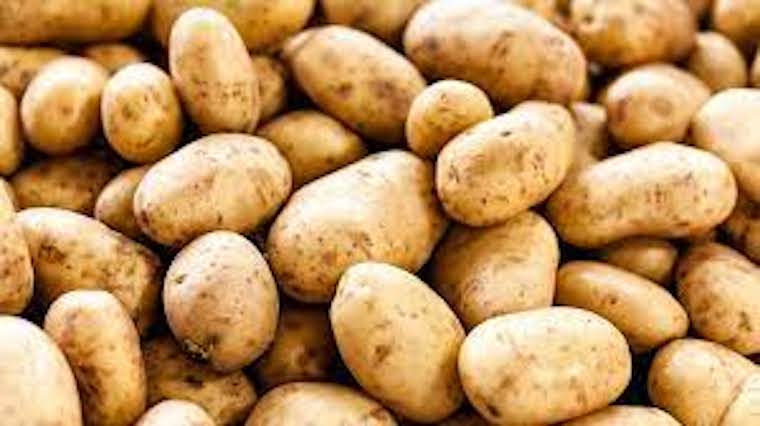
The fridge’s cold air can turn their starchy insides into an undesirable texture. Keep them cool but not chilly, and they’ll be ready to transform into comforting mashed potatoes or crispy fries!
Tuna Doesn’t Need To Hang Out With The Cold Crowd
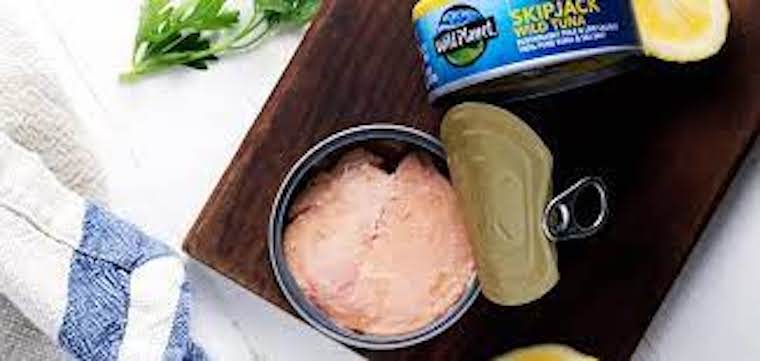
Canned tuna is sealed tight and ready to go, making it a convenient and tasty addition to your meals. Whip up a tuna salad or create mouthwatering sandwiches—it’s time to ride the wave of flavor!
Breakfast Warriors, Rejoice!
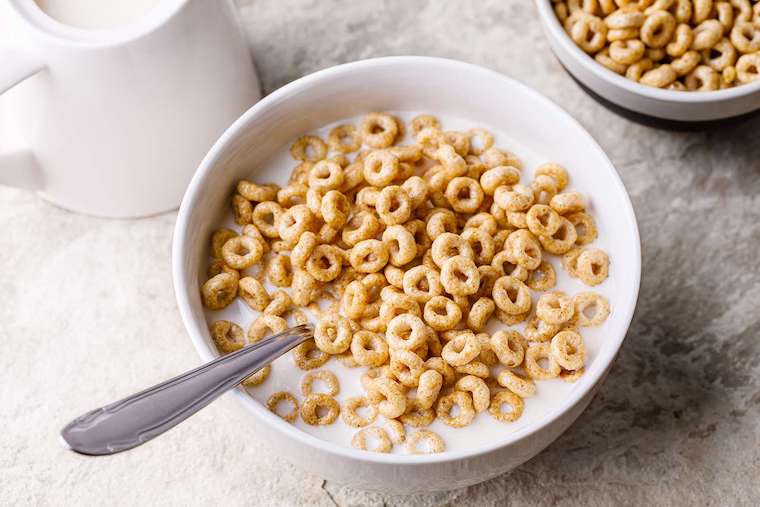
Cereal is a champion outside the fridge. Whether you enjoy it with milk or as a dry snack, its crispy goodness remains intact. No need to send it to the chilly land—keep it at arm’s reach for a quick and tasty morning fuel-up!
Pumpkins – Whether Carved Or Not – Like To Be Out In The Open

Pumpkins, the symbols of fall, prefer to strut their stuff on the countertop. Their vibrant colors and earthy sweetness make them a centerpiece of autumn feasts. Embrace the season and let the pumpkin’s warmth fill your kitchen with cozy vibes!
Cold Spices Are A No-No

Spices, those flavor-packed superheroes, don’t need refrigeration to save the day. Their vibrant colors and aromatic wonders are best preserved in a cool, dark pantry. Keep them at your fingertips, ready to add a pinch of magic to your culinary creations!
Eggplant Should Be Planted Right On Your Counter
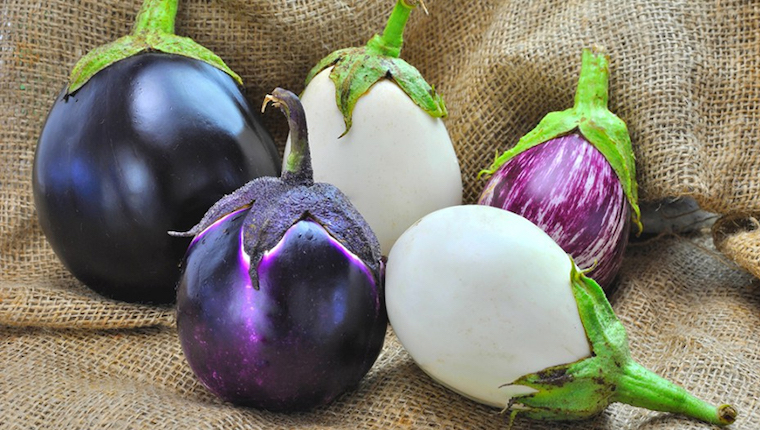
Eggplant, the purple beauty of the vegetable kingdom, loves to soak up the spotlight outside the fridge. Its firm and glossy skin holds the promise of savory wonders. Grill it, roast it, or turn it into a creamy dip—it’s at its best when it can show off its rich flavors without the chilling interference.
The Tropical Royalty Known As Pineapple!

This spiky delight doesn’t need a cold throne to rule. Its vibrant yellow flesh, bursting with juicy sweetness, keeps its sunny personality intact when left outside the fridge. Slice it up for a refreshing treat or add it to your favorite dishes for a tangy twist!


A young osprey pair has laid their first eggs at Foulshaw Moss Nature Reserve in South Cumbria, bringing new excitement to the reserve’s thriving birdwatching scene.
The pair, male Blue 476 and female Blue 717, first paired up in late April at a second nest on the reserve, near Grange-over-Sands. According to Cumbria Wildlife Trust, which manages the site, Blue 476 is a “local lad,” hatched in 2021 at a private site in the Lake District. Blue 717, meanwhile, is thought to be from Fife, having hatched in 2022.
Young and Hopeful Parents
This is the pair’s first nesting attempt, and they’ve laid two eggs so far. The Trust noted the eggs came a bit late in the season, and since the parents are inexperienced, hatching success isn’t guaranteed. Still, staff remain hopeful and are closely monitoring their progress.
Ospreys typically share incubation duties, which last around 37 days. During this time, the adults take turns incubating the eggs, maintaining the nest, fishing, and defending their territory from potential intruders.
Nest Rivalry
Foulshaw Moss is already home to a well-established osprey pair, Blue 35 and White YW, who have nested at the site for over a decade. The long-time residents are also incubating eggs, expected to hatch around May 23. Some interaction has been observed between the two pairs: in late April, Blue 476 approached the original nest, only to be swiftly chased off by Blue 35.
Visiting the Reserve
Visitors are welcome at the reserve to try and spot the ospreys, though they’re reminded to plan ahead. The car park is small and fills up quickly, and the access road is narrow with no passing places. Bike racks are available, and the site is reachable via public transport.
While the second nest doesn’t yet have a live webcam, the Trust has installed a new viewing hide on the eastern side of the reserve, offering improved opportunities for osprey watching. A volunteer is often on site with a telescope and may be able to help visitors spot the birds. For those viewing from a distance, binoculars are strongly recommended.
The original nest, home to Blue 35 and White YW, is viewable through the Foulshaw Osprey Webcam, funded by public donations.
Osprey Fast Facts
- Ospreys (Pandion haliaetus) are large fish-eating raptors with a wingspan of about 5 to 6 feet.
- They migrate thousands of miles each year, wintering in West Africa or southern Europe and returning to the UK in spring to breed.
- The same nesting sites are often reused year after year, with some osprey pairs returning to the same nest for over a decade.
- Chicks are ringed before fledging so their movements and survival can be monitored as part of ongoing conservation efforts.
- Ospreys became extinct in England by 1916 due to egg-collecting and persecution but have made a steady comeback thanks to reintroduction efforts and legal protections.
Despite a few heartbreaks over the years—such as unhatched eggs and lost chicks—the success of Foulshaw Moss as a breeding site underscores the resilience and return of this iconic bird to the region.


Three teens from Indore, India, have created a salt-powered mini refrigerator that works without electricity—an innovation that could transform how medical supplies reach remote communities.
Their invention, called Thermavault, uses a chemical process where salts absorb heat as they dissolve in water, effectively cooling the surrounding area. It’s designed to maintain safe storage temperatures for vaccines, medications, and even transplant organs—all without needing to plug in.
The creators—Dhruv Chaudhary, Mithran Ladhania, and Mridul Jain—were inspired by challenges their parents, all in the medical field, experienced during the COVID-19 pandemic. Getting vaccines to rural areas without reliable electricity was an uphill battle. So, the three teens got to work.
After experimenting with nearly 150 different salts and hitting several dead ends, a teacher’s suggestion led them to two that worked: ammonium chloride and barium hydroxide octahydrate. Ammonium chloride kept temperatures between 2°C and 6°C—ideal for many vaccines—while the second salt combo could bring temps below freezing, suitable for more sensitive materials.
Their salt-based cooling system is housed in a compact insulated box lined with copper. The solution is poured into the walls, which then pull heat away from the contents inside. Better still, the system is reusable: simply boil off the water in the field to reclaim the salt for future use, no freezer or power supply needed.
Their innovation earned them the 2025 Earth Prize for Asia and a $12,500 award. The trio plans to use the funds to build 200 Thermavault units for 120 hospitals. They’re also working toward World Health Organization certification so they can partner with organizations like Gavi, which delivers vaccines around the globe.
Dr. Pritesh Vyas, an orthopedic surgeon who tested Thermavault in a local hospital, confirmed that it kept vaccines stable for up to 12 hours. With further upgrades like a built-in temperature monitor, he believes it could become a critical tool for rural healthcare.
For now, the teens are focused on refining their device and taking it to the global stage. As voting opens for the Earth Prize’s global winner on April 22, Thermavault has a chance to gain even more attention—and potentially save countless lives.


Grace Collins, a mom from Texas, isn’t letting age define her motherhood journey. At 51, she recently welcomed her third child — a baby boy named A.J. — and says she’s not sure she’s finished growing her family just yet.
Collins first gained attention in 2024 when she went viral on TikTok for sharing her story of becoming a mom later in life through IVF. Her journey began at age 44 with the birth of her first daughter, Maggie. Two years later came her second daughter, Goldie. And in 2024, at age 50, she became pregnant again — this time with her first son.
“It’s hard being pregnant no matter what age you’re at,” Collins told TODAY.com. “And I don’t know if I’m done either!”
Though being pregnant in her 50s might seem daunting, Collins says it’s actually gotten easier over time. “I felt like I was more tired when I was pregnant at 44 than I was when I was 50,” she previously told PEOPLE. “Maybe my body just figured out how to cope, or maybe having children keeps me young.”
That sense of energy seems to carry into her everyday life as a mom of three little ones. “I’m a pretty on-the-go kind of girl,” she said. “I’ve been in the little kid daily grind since I was 44, so I don’t know any different.”
Collins also shared that age has brought some unexpected advantages. With more life experience under her belt, she feels more aware of her body and committed to her health. Before her last pregnancy, she took proactive steps to ensure she was in good shape, including a full slate of medical screenings and maintaining an active lifestyle.
“I made sure I had a healthy baseline,” she told PEOPLE. “All my pregnancies have had their hurdles — but overall, I can honestly say it’s become easier with each one.”
Despite being older than many of the parents she meets at playdates or school events, Collins says age isn’t a barrier when it comes to connecting. “The things we have in common outweigh our age differences,” she said. “If anything, having kids has honestly kept me younger.”
As for whether baby A.J. will be her last? Collins isn’t closing that door just yet. For now, she’s savoring life as a busy mom and embracing every moment. “I’m going to do everything I can to stay young and present — not just for my kids but for myself.”


A simple wooden bench may seem unremarkable, but in Sussex, it’s about to become a powerful tool for tackling mental health challenges.
A pilot scheme called the Friendship Bench, originally developed in Zimbabwe, is launching in Sussex to provide free, low-barrier support for people dealing with depression, anxiety, and loneliness. The initiative places trained lay counsellors—affectionately called “grandmothers” and “grandfathers”—on benches in public indoor spaces like libraries and community centers, where they offer compassionate, non-judgmental conversation to anyone who stops by.
Founded in 2006 by psychiatrist Professor Dixon Chibanda, the Friendship Bench model was born from the idea that everyday people, especially older members of the community, can offer meaningful support. Despite receiving just two weeks of training, the lay counsellors have made a global impact. Studies, including one published in The Journal of the American Medical Association, show the program led to an 80% reduction in depression and suicidal thoughts, and a 60% improvement in quality of life among participants.
Now brought to the UK by Dr. Nina Lockwood of Brighton and Sussex Medical School, the Sussex pilot will involve ten lay mental-health workers offering six-to-eight-week support sessions. Unlike the original Zimbabwe benches that are placed outdoors, the UK’s version will adapt to the British climate with indoor seating areas.
“There is an unintended novelty to the west taking a model founded in Africa,” Lockwood said. “But just like in Zimbabwe, the UK has a massive shortfall in mental health resources compared to the demand of our population’s mental health problems. We urgently need to adopt agile, alternative ways of working.”
Trained volunteer Mebrak Ghebreweldi, from Diversity Resource International, said the approach allows time to uncover root issues, like housing insecurity or unemployment—problems that can be missed in rushed GP visits.
“GPs don’t have time for those long conversations,” Ghebreweldi explained. “They’ll just prescribe something. But when we listen, we often find that what seems like depression may actually stem from practical, solvable problems.”
Chibanda’s vision for the Friendship Bench grew from a recognition that medication and diagnoses alone can’t fix a growing global mental health crisis. “Not everyone can see a mental health professional,” he said. “But most people have access to the care, compassion, and wisdom of grandmothers—the unsung heroines of the world.”
In the UK, mental health needs are urgent. One in six adults reported moderate to severe depressive symptoms in 2022, and NHS wait times for therapy can stretch over four months. The Friendship Bench offers a hopeful alternative—one built on human connection and community.
With over half a million people already helped worldwide, the scheme’s expansion into Sussex could be a quiet revolution in how we approach mental wellness—one chat at a time.

A team of scientists from The Ohio State University has unveiled a groundbreaking device designed to enhance food sources for coral reefs, offering a potential boost to restoration efforts. The device, called the Underwater Zooplankton Enhancement Light Array (UZELA), works by attracting zooplankton to coral habitats, increasing their availability as a food source.
UZELA is a submersible, programmable light capable of operating for up to six months on a single battery. When maintenance is needed, trained divers can perform simple servicing. The device activates for roughly an hour each night, emitting a specific type of light that encourages zooplankton accumulation without disturbing other marine species. This process enhances the feeding opportunities for corals, improving their chances of survival and growth.
Encouraging Results from Initial Tests
Researchers tested UZELA near two native Hawaiian coral species, Montipora capitata and Porites compressa. Their observations showed a seven-fold increase in local zooplankton populations and a dramatic improvement in coral feeding rates—ranging from 10 to 50 times higher than usual. These findings were published in Limnology and Oceanography: Methods.
According to study lead Andréa Grottoli, a professor of earth sciences at The Ohio State University, coral reefs play a disproportionately important role in marine ecosystems. “Although reefs make up less than 1% of the ocean, they support a third of all marine life,” she explained. “With increasing threats, we must find ways to protect them.”
The Growing Threat of Coral Bleaching
Extreme ocean temperatures continue to endanger coral reefs. The U.S. National Oceanic and Atmospheric Administration (NOAA) recently reported that from February 2023 to April 2024, nearly 60.5% of the world’s coral experienced bleaching. This occurs when corals expel the algae that provide them with essential nutrients, making them more susceptible to disease and die-off.
While corals can recover if water conditions stabilize, many struggle due to a lack of available food. The presence of concentrated zooplankton, as facilitated by UZELA, could help mitigate some of the negative effects and provide corals with the nutrition they need to survive.
A Short-Term Solution with Long-Term Potential
Although UZELA is not a permanent fix for coral degradation, researchers see it as a valuable tool for temporary relief. Grottoli compared it to “a band-aid that could help buy us time” while broader solutions, like reducing carbon emissions, are pursued.
Currently, UZELA devices are assembled by hand, but researchers are working with a local engineering firm to refine the design for mass production. If successful, an improved version could be ready within the next few years, allowing for expanded deployment in vulnerable coral reef regions.
“Addressing climate change is the only way to truly save coral reefs,” Grottoli emphasized. “But tools like UZELA give us a fighting chance to protect some reefs while we work toward a more sustainable future.”
-

 OMG7 years ago
A Couple Gave Birth to the Most Beautiful Twins Ever
-

 OMG8 years ago
20 Rare Historical Photos
-

 OMG7 years ago
Hilarious Airport Photos
-

 Cute7 years ago
Mom Refuses to Let Daughter Eat Sugar and Years Later This is What She Grows Into
-

 OMG7 years ago
Top Secret Air Force One Facts That You Never Knew
-
OMG7 years ago
The Funniest Yearbook Photos Of All Time
-

 OMG8 years ago
Retired Mathematician Restores Log Cabin
-

 OMG6 years ago
What Happened When This ‘Duck Dynasty’ Legend Chopped Off His Beard?