Living
The Most Expensive High Schools In The United States, Ranked

We all know just how expensive college can get, with high tuition, dorm fees, books, and living costs. Most parents spend the first 18 years of their children’s life saving up for the high expenses of college. However, sometimes parents may have to dip into these savings a little early with some highly sought after high schools.
Today, we’ll look at some of the most expensive high schools in the U.S and see what makes them so desirable. The tuition on #1 is mind-blowing.

25. St. Thomas More School – $53,900
This school is the destination for basketball hopefuls. It has a long history of students who went on to play Division 1 basketball as well as playing in the NBA. Basketball isn’t all that’s offered at this all-boys school; they thrive to improve boys’ personal growth and shape them into the leaders of tomorrow. They’re also a school focused strongly on the Christian faith.
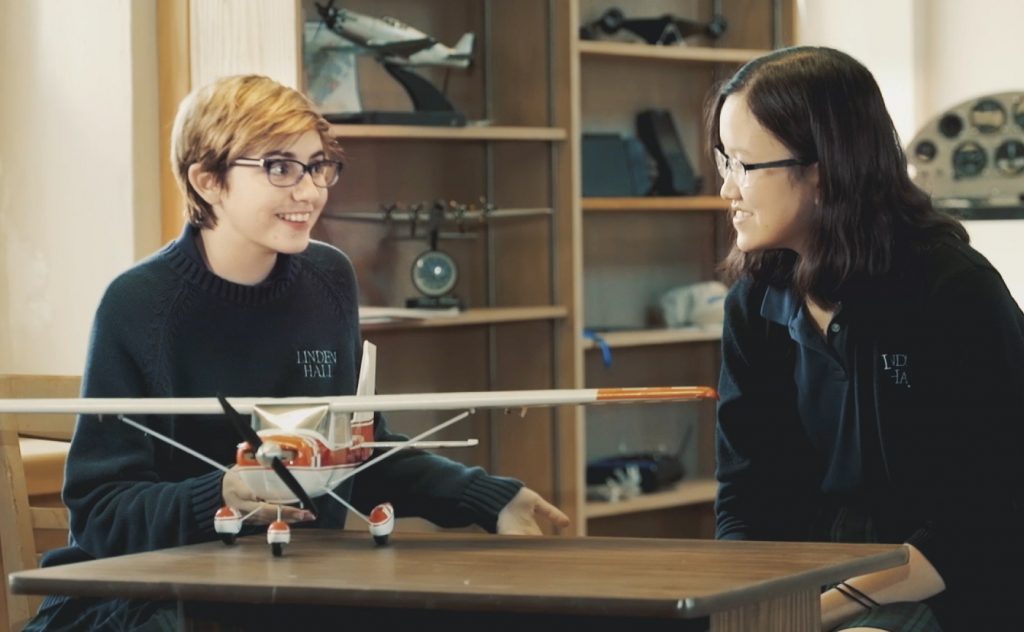
24. Linden Hall – $54,200
Linden is an all-girls school founded in 1746 with an abundance of programs and opportunities for girls. It considers itself a school where girls can thrive and develop leadership skills and build confidence. They offer flight training for girls to potentially gain a there private pilot license as well as a riding program filled with state of the art facilities such as a cross-country course. Tuition is $54,200 per year.
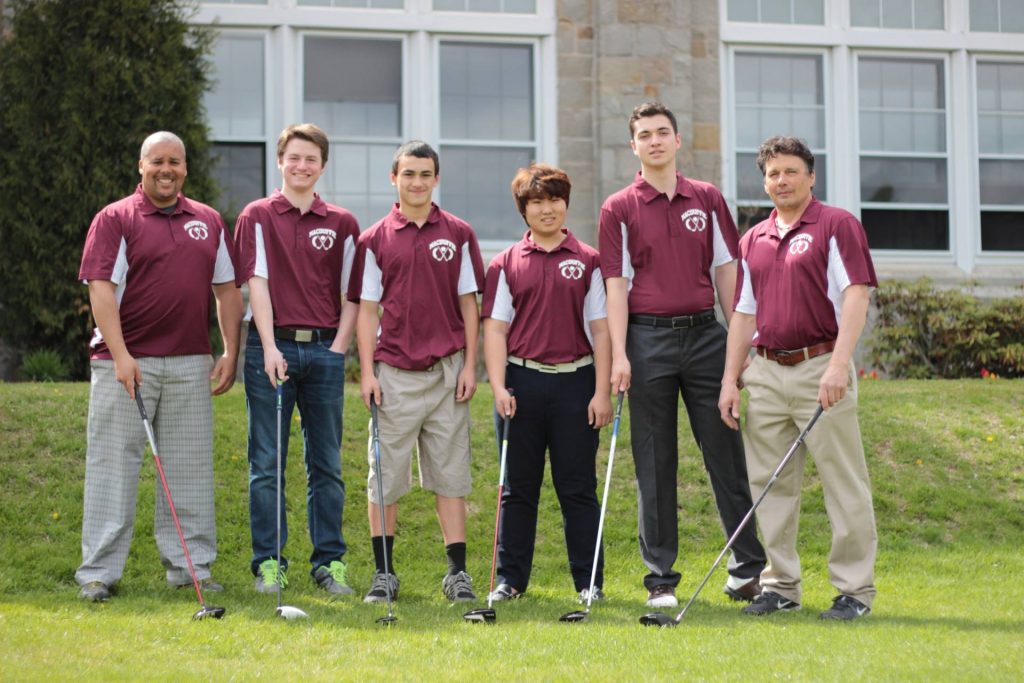
23. The MacDuffie School – $55,450
The MacDuffie School is a college preparatory school located in Massachusetts with a vision beyond just academically preparing students for the future with high ethical standards and individualism. There are currently 193 students enrolled, with more than 50% being international students, so diversity is a big deal. You can also expect fancy, well-prepared meals through Sage, which even has a phone app. Tuition is $55,450 per year.
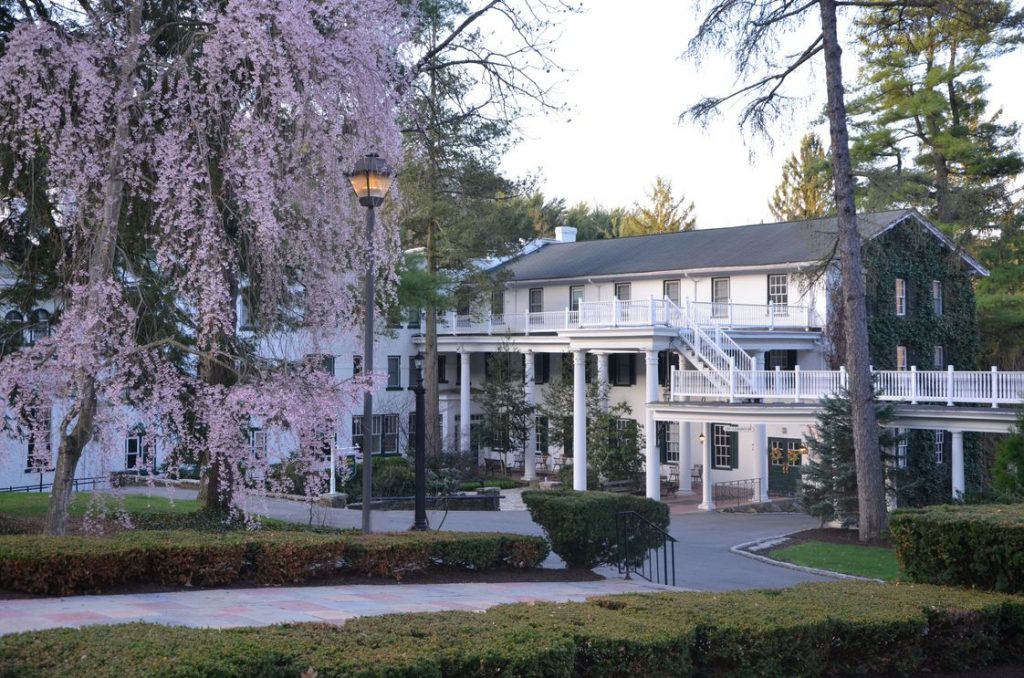
22. Grier School – $55,900
This all-girls school in Pennsylvania costs $55,900 per year, but you will quickly find out why. Currently, there are 300 students enrolled, with the largest class having 14 students and classes as small as four students to provide an immersive learning experience. Besides the 21 AP courses offered here, they specialize in fine arts, dance, music, and horse-riding to push the limits of what these girls can accomplish.
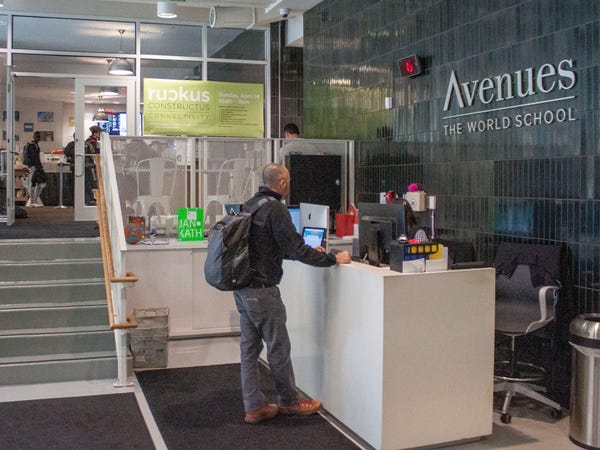
21. Avenues: The World School – $56,400
Located in Manhattan, this private school also operates campuses in three other cities across the globe, where students are also allowed access. While their education is top-notch, that’s not the only thing that attracts wealthy parents. They offer after school programs such as art, music debate, chess, and much more to keep the mind active. Not only is the facility state of the art, but children receive transportation to and from school. This comes with a hefty price of $56,400 per year.
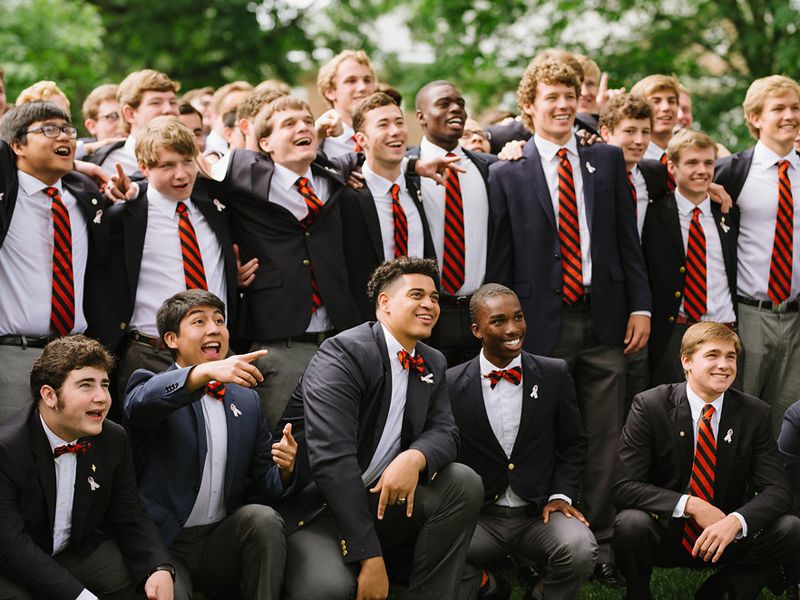
20. Woodberry Forest School – $57,250
Woodberry Forest School has one goal, and that is to prepare boys for the future. They promote moral integrity, intellectual thoroughness, and good sportsmanship. There is a squash pavilion, football stadium, wrestling room, basketball gym, and so much open space to play things like frisbee or catch with your friends. It’s a captivating experience that aims to create future leaders of the world. Tuition is $57,250 per year.
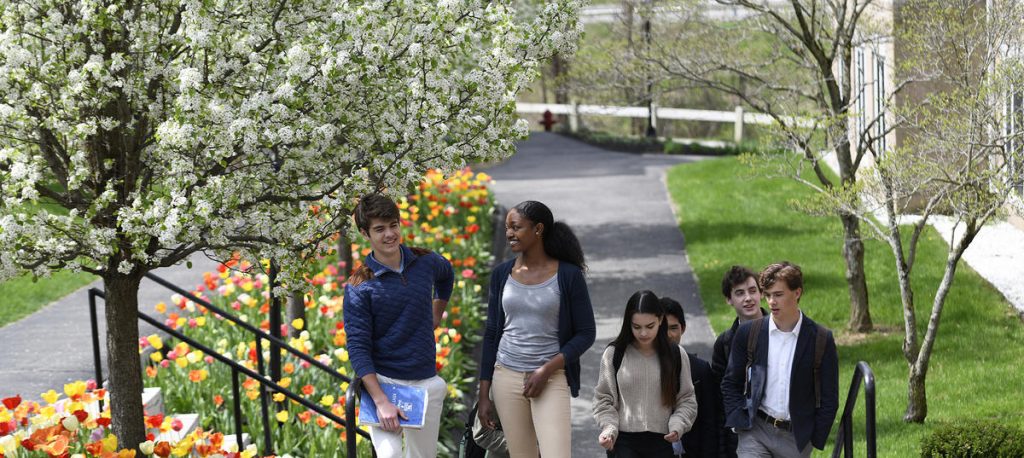
19. Kent School – $58,400
This private school in Kent, Connecticut, promises to deliver a unique experience to its students through participation and individualism. There are 172 courses, 28 AP courses, and 56 clubs and organizations, so there is always something to keep you busy. Students are pushed to exit their comfort zones and try something new to expand their minds. Tuition is $58,400 per year.
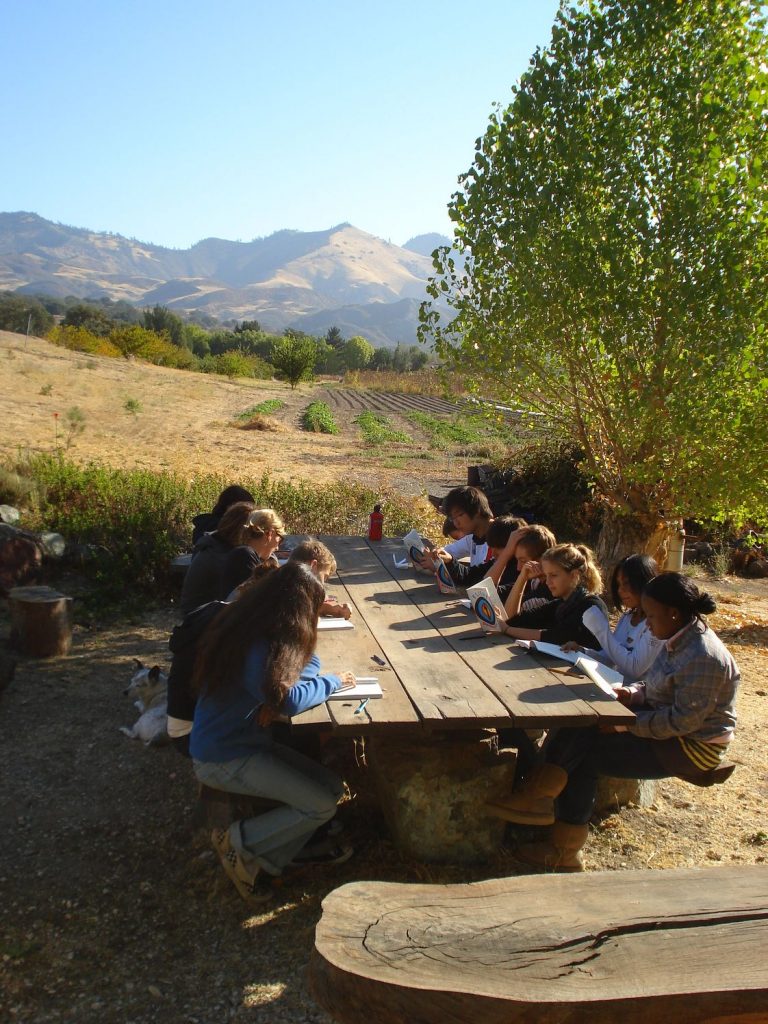
18. Midland School – $58,600
There is no better way to learn than by actually doing the task, and no school incorporates this quite like Midland. Located in California on a 2,860-acre ranch, Midland is a hybrid of a high school and ranch. Students here live in cabins and have their phones confiscated to lessen distractions and keep them engaged. They are taught hands-on lessons like maintaining the farm, chopping wood, and gardening. By the way, they do all of this while having to keep up with their classes. Tuition here is $58,600 per year.
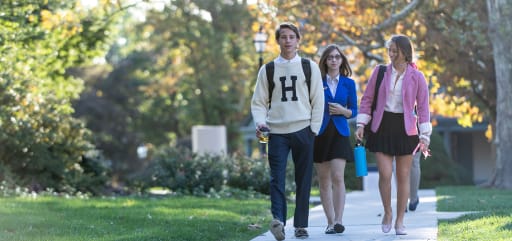
17. The Hill School – $59,050
The Hill School is one of the most well renowned private schools in the U.S, so much so that the president’s son, Donald Trump Jr, attended there. They provide a tight-knit experience where teachers and students are well engaged in creating a great learning experience. There are athletic programs offered, such as Football, golf, soccer, field hockey, and water polo, to name a few. Tuition is $59,050 annually.
16. Northwood School – $59,920
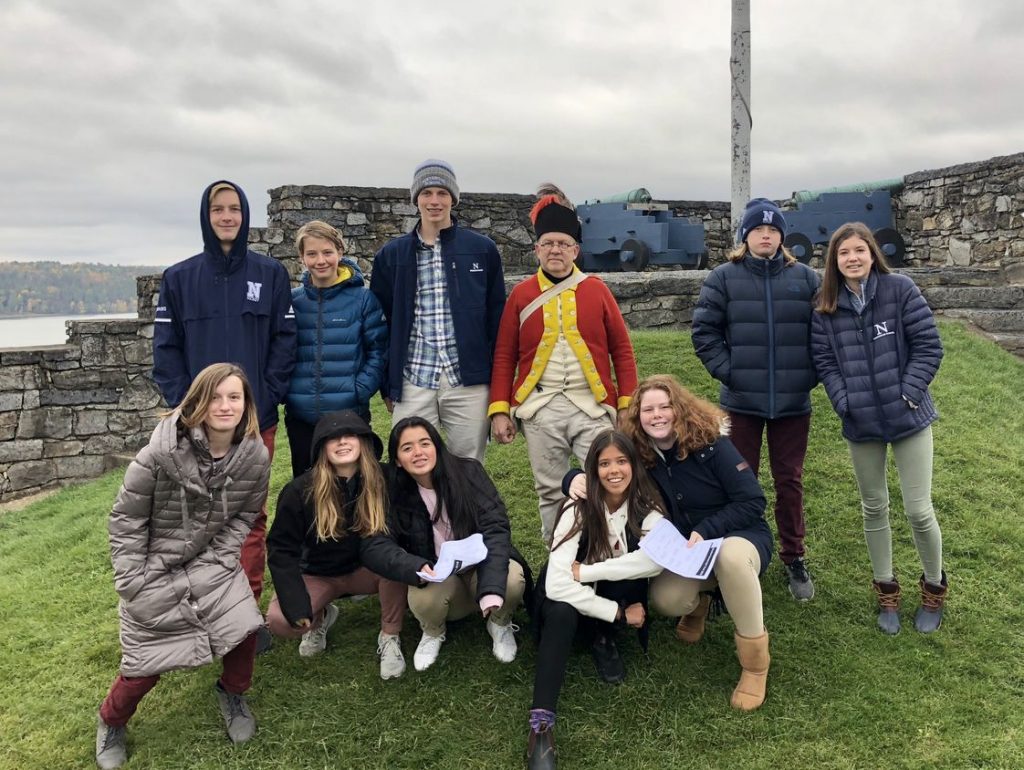
Northwood is a boarding school located in New York that offers a college-prep curriculum with an average class size composed of 10 students. They offer a wide variety of programs outside of academics, such as an Entrepreneurship course, outdoor recreation, and community service. Not every student is required to live on campus, and they also offer a post-graduate year program. Tuition is $59,920 per year.
15. Episcopal High School – $60,900
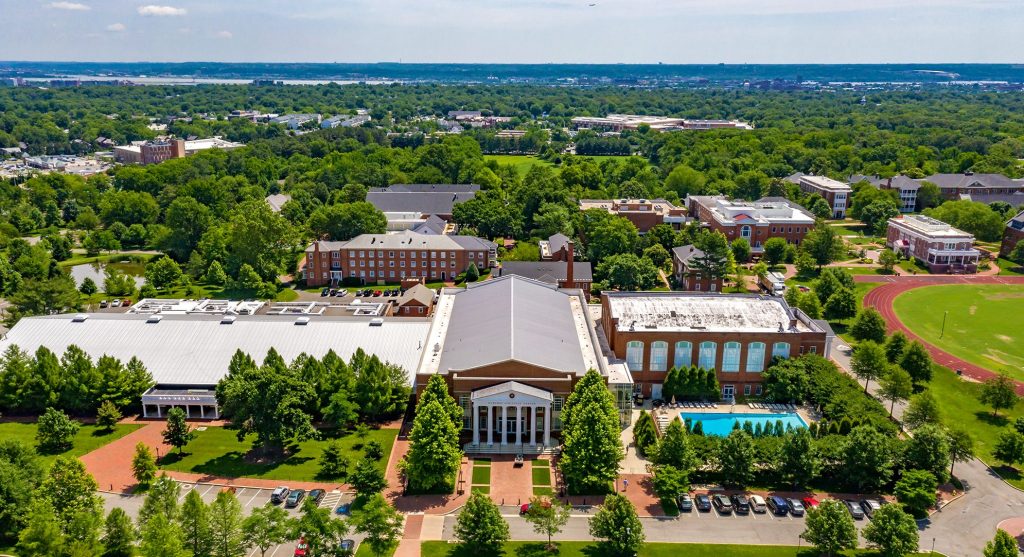
EHS resides in Virginia on 130 acres of land. It has a 50/50 % ratio of boys to girls with all students living on campus. There are over 150 courses offered, with 75 being honors and advanced. Classes are very engaging, with an average class size of 11. Students also engage in Washington Program experiences to get hands-on experience. Tuition is $60,900 per year.
14. Salisbury School – $61,000
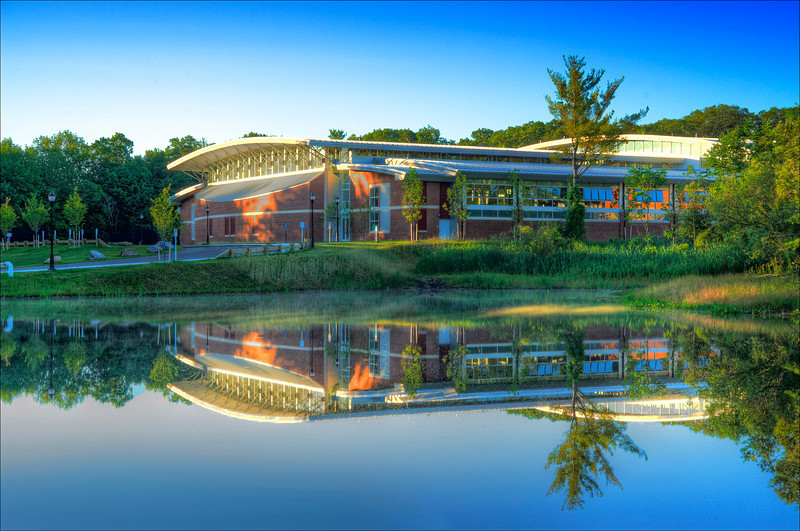
This school has everything from the state of the art athletic facilities to advanced classes. It is an all-boys school located in Connecticut and lies on 725 acres. They offer 15 advanced AP classes and project-based learning opportunities such as Boat Building, Digital Media, and Entrepreneurial Studies. Their goal is to provide students with all the tools necessary for a successful future in college and beyond. Tuition is $61,000 per year.
13. The Storm King School – $61,700
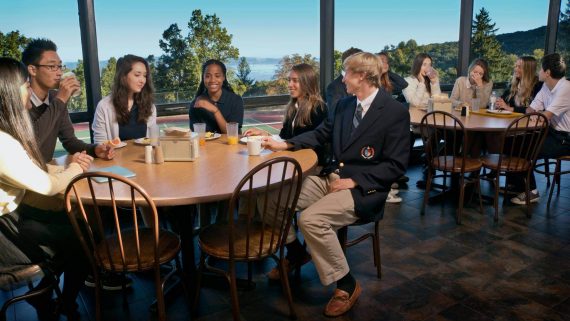
The Storm King School was founded in 1867 in New York and resided on 55 acres of land. There are 195 students currently enrolled, with an average of just eight people per class. They provide academic services such as world languages and ESL. Graduation requires a total of 20 credit hours of intense work that keeps students engaged and develops their thinking. Tuition is $61,700 per year.
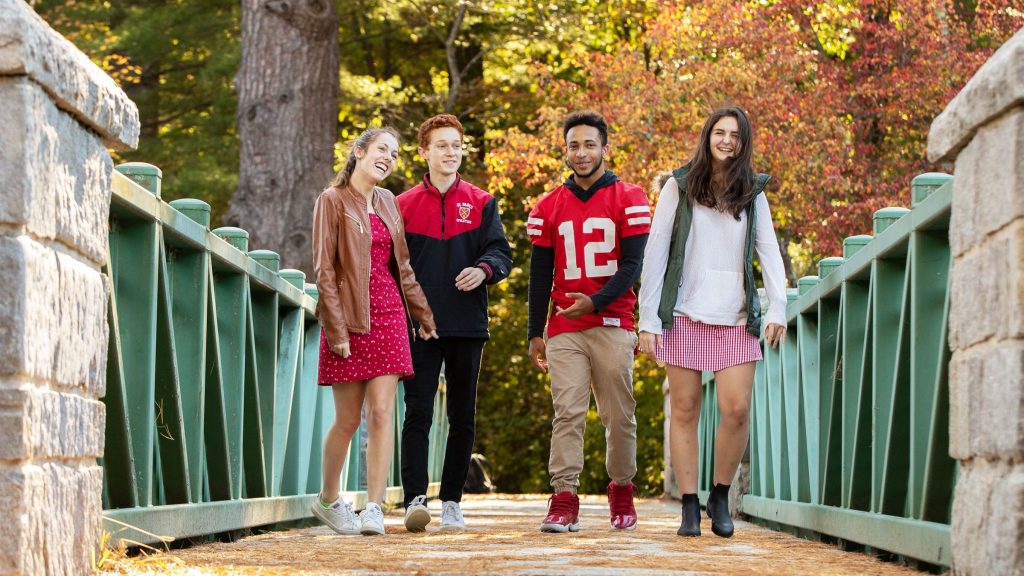
12. St. Paul’s School – $62,000
This 2,000-acre campus located in Concord, NH, provides 145 academic offerings, 60+ student clubs, 17 different sports, and an average class size of 10. Involvement is a big deal in this school, as all students are expected to be a part of at least one sports team. 38% of their students currently receive some form of financial aid as they have packages designed for all forms of income. Tuition is $62,000 per year.
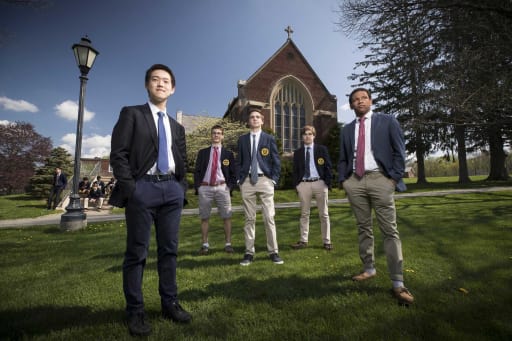
11. Trinity-Pawling School – $62,000
Trinity-Pawling School is an all-boys school located in New York that aims to provide a transformative experience for boys. “No boy sits on the sidelines” is a quote they strive to live by. Boys are transformed for the better through collaboration, critical thinking, and innovative thinking. The school sits on 230 acres, so there is more than enough space for these boys to explore. The tuition is $62,000 per year.
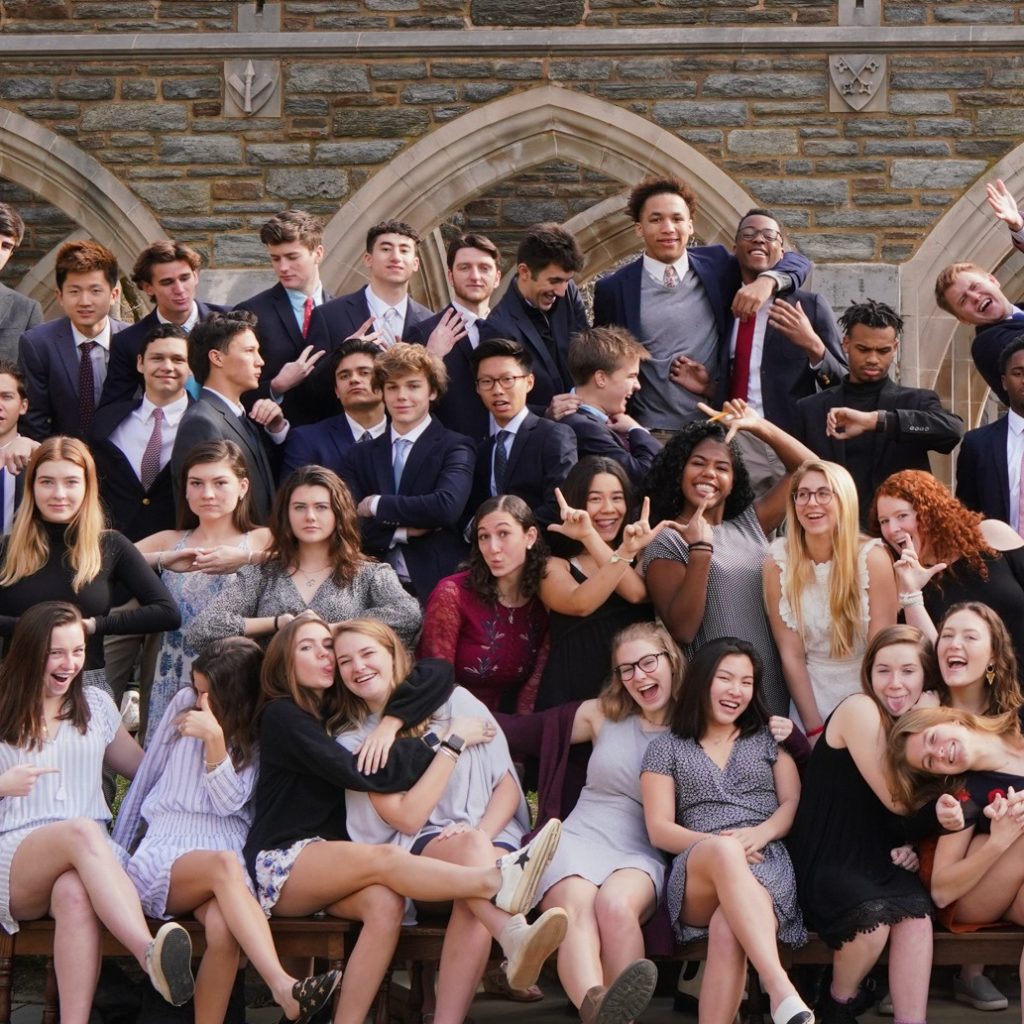
10. St. Andrews School – $62,280
St. Andrews School is an all-boarding school located in Delaware. It’s a Christian charter school that aims to provide top of the line education at a minimum cost, though they accept students regardless of religious background. Their goal is to develop students who are curious, thoughtful, creative, and utilize critical thinking. They offer a diverse selection of sports such as cross country, soccer, swimming, baseball, and more. Tuition is $62,280 annually.
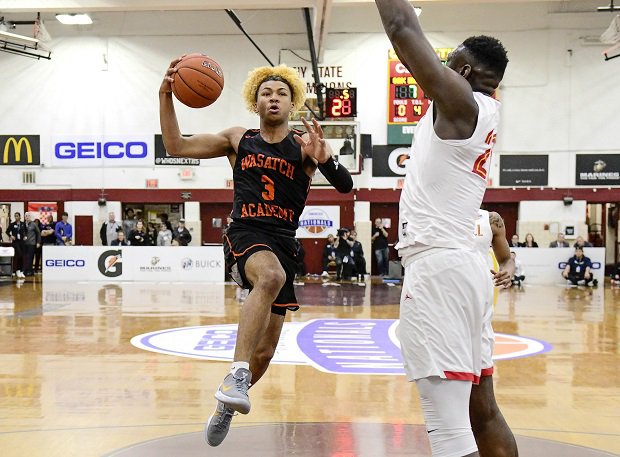
9. Wasatch Academy – $62,300
This diverse private boarding school provides students with an opportunity for personal discovery, hands-on learning, and the potential to elevate their knowledge. Each dorm has what they call a “full-time dorm parent” that provides a home-like feeling in the dorms. What separates this school from others is it’s “Gen-Z” approach. They offer high-level learning services such as engineering, robotics, and technology to provide students with hands-on learning. It also has an art studio, ski club, and rock climbing, to name a few. It’s no wonder it costs $62,300 annually.

8. IMG Academy – $63,000
Imagine a school built for student-athletes with state of the art training facilities. This is exactly what IMG Academy is and what they offer. This is a private boarding school that focuses on helping student-athletes achieve their full potential in sports such as basketball, baseball, tennis, soccer, track, and much more. Your schedule is designed, so you have time for both classes and athletics. Tuition is $63,000 per year for this athletic-based private school.
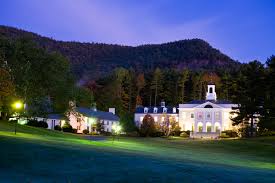
7. The Berkshire School – $64,200
The Berkshire School sits on 400-acres in Sheffield, MA, with a population of 400 students. The school helps to keep student life interesting by offering hands-on learning and real-world experiences that help to develop the mind, which, in turn, helps keep students involved and connected. Their motto “Pro Vita Non-Pro Schola Discimus “Learning—not just for school but for life” perfectly represents their approach to learning. Tuition is $64,200 annually.
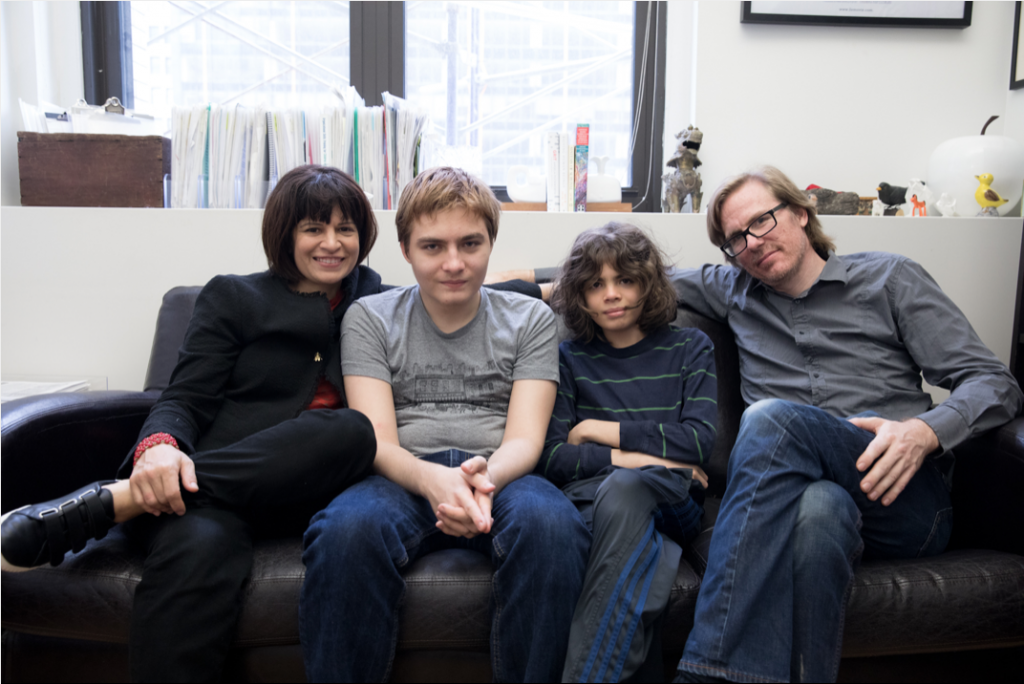
6. The Lang School – $65,000
This private school located in New York has extremely high standards for the performance of their students. For $65,000 per year, students have access to education therapy and counseling to help navigate social changes and the strict curriculum. Each school year, there is a universal question students must answer, but there are no definitive answers.
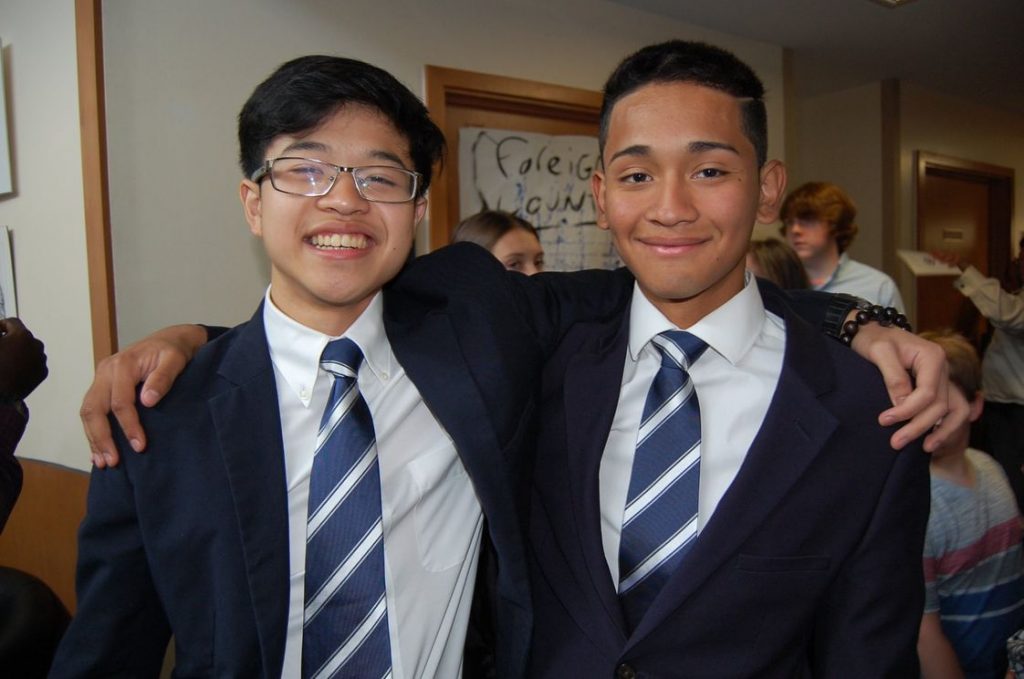
5. The Oxford Academy – $67,000
When you hear the word Oxford, you generally think of the University of Oxford, one of the greatest colleges in the world. The Oxford Academy delivers on just what you would expect a school with the name Oxford in it to do. They offer individualized learning with multiple one-on-one classes. It’s a small school with just 48 students with visual art classes and character development classes. Varsity soccer, Tennis, and basketball are some of the sports involved with the school, and BeeKeeping is another cool thing. It sits only one block away from the ocean, so with all these fantastic features and offerings, you can expect to pay $67,000 for tuition.
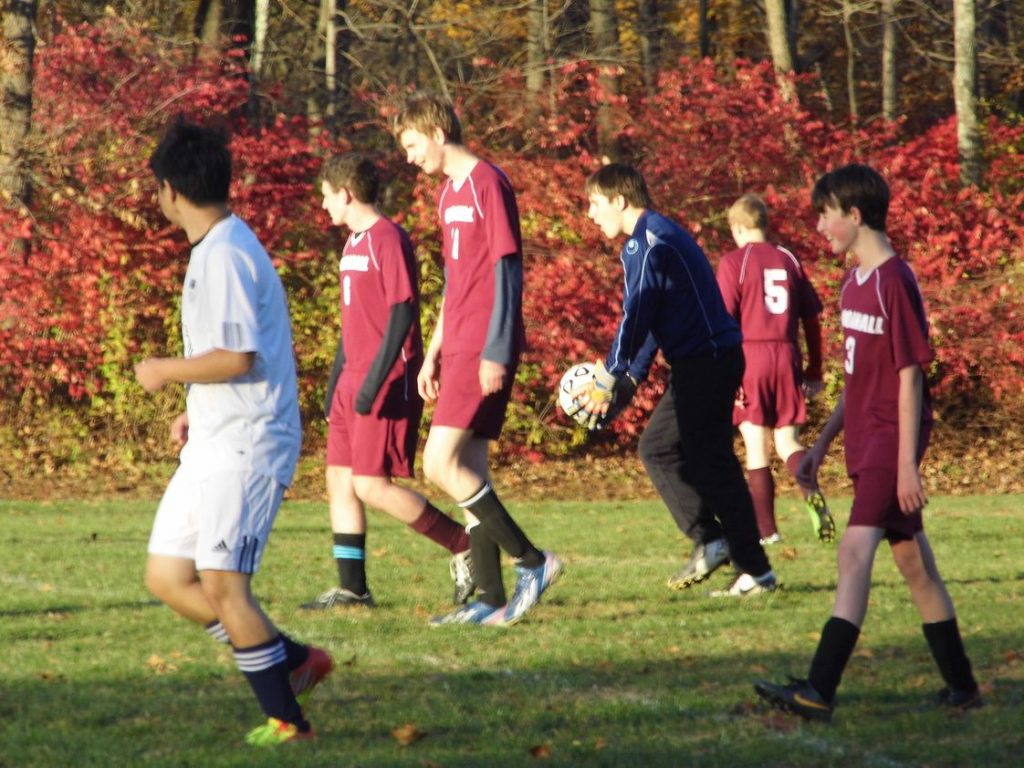
4. The Woodhall School – $74,500
This all-boys private school in Bethlehem, Connecticut, claims to provide an opportunity for success to above-average students who struggle in the traditional school setting. Individualism is a big deal at the Woodhall School as they want students to achieve their full potential. Class sizes are as small as 2-5 students to ensure students can work closely with teachers and their peers. Tuition is $74,500 annually, but that’s the cost of such hands-on teaching.
3. The Quad Preparatory School – $74,850
Quad Preparatory has one goal in mind, and that is to help students they consider gifted. They provide advanced classes completely tailored to challenge the minds of their students in such a way as to redefine the way they think and learn. Gifted students can feel socially different, and Quad Prep aims to provide an environment in which they feel welcomed and happy. Tuition is $74,850 per year.
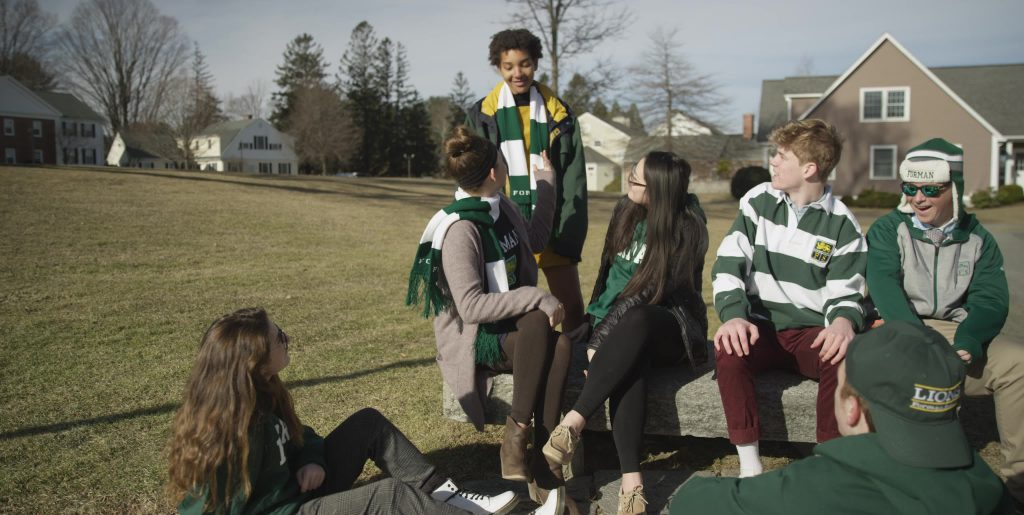
2. Forman School – $80,000
Forman School is a private boarding school in Connecticut that aims to develop the minds of young people who display higher than normal academic potential. It was founded on the premise that more gifted students were held back by the more normal teaching standards. This college preparatory will set you back $80,000 for yearly tuition.

1. Shortridge Academy – $85,000
This private school located in New Hampshire will cost you $85,000 per year intuition. Shortridge Academy is a boarding school that offers services to 9th to 12th graders. It’s an extremely challenging program with an average of 50 students on campus at any given time throughout the year. The school advertises itself as providing students with a normal lifestyle while also developing critical thinking skills and individualism. However, their therapeutic support system, which provides students with mental support to deal with new and challenging situations, makes them unique.


A young osprey pair has laid their first eggs at Foulshaw Moss Nature Reserve in South Cumbria, bringing new excitement to the reserve’s thriving birdwatching scene.
The pair, male Blue 476 and female Blue 717, first paired up in late April at a second nest on the reserve, near Grange-over-Sands. According to Cumbria Wildlife Trust, which manages the site, Blue 476 is a “local lad,” hatched in 2021 at a private site in the Lake District. Blue 717, meanwhile, is thought to be from Fife, having hatched in 2022.
Young and Hopeful Parents
This is the pair’s first nesting attempt, and they’ve laid two eggs so far. The Trust noted the eggs came a bit late in the season, and since the parents are inexperienced, hatching success isn’t guaranteed. Still, staff remain hopeful and are closely monitoring their progress.
Ospreys typically share incubation duties, which last around 37 days. During this time, the adults take turns incubating the eggs, maintaining the nest, fishing, and defending their territory from potential intruders.
Nest Rivalry
Foulshaw Moss is already home to a well-established osprey pair, Blue 35 and White YW, who have nested at the site for over a decade. The long-time residents are also incubating eggs, expected to hatch around May 23. Some interaction has been observed between the two pairs: in late April, Blue 476 approached the original nest, only to be swiftly chased off by Blue 35.
Visiting the Reserve
Visitors are welcome at the reserve to try and spot the ospreys, though they’re reminded to plan ahead. The car park is small and fills up quickly, and the access road is narrow with no passing places. Bike racks are available, and the site is reachable via public transport.
While the second nest doesn’t yet have a live webcam, the Trust has installed a new viewing hide on the eastern side of the reserve, offering improved opportunities for osprey watching. A volunteer is often on site with a telescope and may be able to help visitors spot the birds. For those viewing from a distance, binoculars are strongly recommended.
The original nest, home to Blue 35 and White YW, is viewable through the Foulshaw Osprey Webcam, funded by public donations.
Osprey Fast Facts
- Ospreys (Pandion haliaetus) are large fish-eating raptors with a wingspan of about 5 to 6 feet.
- They migrate thousands of miles each year, wintering in West Africa or southern Europe and returning to the UK in spring to breed.
- The same nesting sites are often reused year after year, with some osprey pairs returning to the same nest for over a decade.
- Chicks are ringed before fledging so their movements and survival can be monitored as part of ongoing conservation efforts.
- Ospreys became extinct in England by 1916 due to egg-collecting and persecution but have made a steady comeback thanks to reintroduction efforts and legal protections.
Despite a few heartbreaks over the years—such as unhatched eggs and lost chicks—the success of Foulshaw Moss as a breeding site underscores the resilience and return of this iconic bird to the region.


Three teens from Indore, India, have created a salt-powered mini refrigerator that works without electricity—an innovation that could transform how medical supplies reach remote communities.
Their invention, called Thermavault, uses a chemical process where salts absorb heat as they dissolve in water, effectively cooling the surrounding area. It’s designed to maintain safe storage temperatures for vaccines, medications, and even transplant organs—all without needing to plug in.
The creators—Dhruv Chaudhary, Mithran Ladhania, and Mridul Jain—were inspired by challenges their parents, all in the medical field, experienced during the COVID-19 pandemic. Getting vaccines to rural areas without reliable electricity was an uphill battle. So, the three teens got to work.
After experimenting with nearly 150 different salts and hitting several dead ends, a teacher’s suggestion led them to two that worked: ammonium chloride and barium hydroxide octahydrate. Ammonium chloride kept temperatures between 2°C and 6°C—ideal for many vaccines—while the second salt combo could bring temps below freezing, suitable for more sensitive materials.
Their salt-based cooling system is housed in a compact insulated box lined with copper. The solution is poured into the walls, which then pull heat away from the contents inside. Better still, the system is reusable: simply boil off the water in the field to reclaim the salt for future use, no freezer or power supply needed.
Their innovation earned them the 2025 Earth Prize for Asia and a $12,500 award. The trio plans to use the funds to build 200 Thermavault units for 120 hospitals. They’re also working toward World Health Organization certification so they can partner with organizations like Gavi, which delivers vaccines around the globe.
Dr. Pritesh Vyas, an orthopedic surgeon who tested Thermavault in a local hospital, confirmed that it kept vaccines stable for up to 12 hours. With further upgrades like a built-in temperature monitor, he believes it could become a critical tool for rural healthcare.
For now, the teens are focused on refining their device and taking it to the global stage. As voting opens for the Earth Prize’s global winner on April 22, Thermavault has a chance to gain even more attention—and potentially save countless lives.


Grace Collins, a mom from Texas, isn’t letting age define her motherhood journey. At 51, she recently welcomed her third child — a baby boy named A.J. — and says she’s not sure she’s finished growing her family just yet.
Collins first gained attention in 2024 when she went viral on TikTok for sharing her story of becoming a mom later in life through IVF. Her journey began at age 44 with the birth of her first daughter, Maggie. Two years later came her second daughter, Goldie. And in 2024, at age 50, she became pregnant again — this time with her first son.
“It’s hard being pregnant no matter what age you’re at,” Collins told TODAY.com. “And I don’t know if I’m done either!”
Though being pregnant in her 50s might seem daunting, Collins says it’s actually gotten easier over time. “I felt like I was more tired when I was pregnant at 44 than I was when I was 50,” she previously told PEOPLE. “Maybe my body just figured out how to cope, or maybe having children keeps me young.”
That sense of energy seems to carry into her everyday life as a mom of three little ones. “I’m a pretty on-the-go kind of girl,” she said. “I’ve been in the little kid daily grind since I was 44, so I don’t know any different.”
Collins also shared that age has brought some unexpected advantages. With more life experience under her belt, she feels more aware of her body and committed to her health. Before her last pregnancy, she took proactive steps to ensure she was in good shape, including a full slate of medical screenings and maintaining an active lifestyle.
“I made sure I had a healthy baseline,” she told PEOPLE. “All my pregnancies have had their hurdles — but overall, I can honestly say it’s become easier with each one.”
Despite being older than many of the parents she meets at playdates or school events, Collins says age isn’t a barrier when it comes to connecting. “The things we have in common outweigh our age differences,” she said. “If anything, having kids has honestly kept me younger.”
As for whether baby A.J. will be her last? Collins isn’t closing that door just yet. For now, she’s savoring life as a busy mom and embracing every moment. “I’m going to do everything I can to stay young and present — not just for my kids but for myself.”


A simple wooden bench may seem unremarkable, but in Sussex, it’s about to become a powerful tool for tackling mental health challenges.
A pilot scheme called the Friendship Bench, originally developed in Zimbabwe, is launching in Sussex to provide free, low-barrier support for people dealing with depression, anxiety, and loneliness. The initiative places trained lay counsellors—affectionately called “grandmothers” and “grandfathers”—on benches in public indoor spaces like libraries and community centers, where they offer compassionate, non-judgmental conversation to anyone who stops by.
Founded in 2006 by psychiatrist Professor Dixon Chibanda, the Friendship Bench model was born from the idea that everyday people, especially older members of the community, can offer meaningful support. Despite receiving just two weeks of training, the lay counsellors have made a global impact. Studies, including one published in The Journal of the American Medical Association, show the program led to an 80% reduction in depression and suicidal thoughts, and a 60% improvement in quality of life among participants.
Now brought to the UK by Dr. Nina Lockwood of Brighton and Sussex Medical School, the Sussex pilot will involve ten lay mental-health workers offering six-to-eight-week support sessions. Unlike the original Zimbabwe benches that are placed outdoors, the UK’s version will adapt to the British climate with indoor seating areas.
“There is an unintended novelty to the west taking a model founded in Africa,” Lockwood said. “But just like in Zimbabwe, the UK has a massive shortfall in mental health resources compared to the demand of our population’s mental health problems. We urgently need to adopt agile, alternative ways of working.”
Trained volunteer Mebrak Ghebreweldi, from Diversity Resource International, said the approach allows time to uncover root issues, like housing insecurity or unemployment—problems that can be missed in rushed GP visits.
“GPs don’t have time for those long conversations,” Ghebreweldi explained. “They’ll just prescribe something. But when we listen, we often find that what seems like depression may actually stem from practical, solvable problems.”
Chibanda’s vision for the Friendship Bench grew from a recognition that medication and diagnoses alone can’t fix a growing global mental health crisis. “Not everyone can see a mental health professional,” he said. “But most people have access to the care, compassion, and wisdom of grandmothers—the unsung heroines of the world.”
In the UK, mental health needs are urgent. One in six adults reported moderate to severe depressive symptoms in 2022, and NHS wait times for therapy can stretch over four months. The Friendship Bench offers a hopeful alternative—one built on human connection and community.
With over half a million people already helped worldwide, the scheme’s expansion into Sussex could be a quiet revolution in how we approach mental wellness—one chat at a time.

A team of scientists from The Ohio State University has unveiled a groundbreaking device designed to enhance food sources for coral reefs, offering a potential boost to restoration efforts. The device, called the Underwater Zooplankton Enhancement Light Array (UZELA), works by attracting zooplankton to coral habitats, increasing their availability as a food source.
UZELA is a submersible, programmable light capable of operating for up to six months on a single battery. When maintenance is needed, trained divers can perform simple servicing. The device activates for roughly an hour each night, emitting a specific type of light that encourages zooplankton accumulation without disturbing other marine species. This process enhances the feeding opportunities for corals, improving their chances of survival and growth.
Encouraging Results from Initial Tests
Researchers tested UZELA near two native Hawaiian coral species, Montipora capitata and Porites compressa. Their observations showed a seven-fold increase in local zooplankton populations and a dramatic improvement in coral feeding rates—ranging from 10 to 50 times higher than usual. These findings were published in Limnology and Oceanography: Methods.
According to study lead Andréa Grottoli, a professor of earth sciences at The Ohio State University, coral reefs play a disproportionately important role in marine ecosystems. “Although reefs make up less than 1% of the ocean, they support a third of all marine life,” she explained. “With increasing threats, we must find ways to protect them.”
The Growing Threat of Coral Bleaching
Extreme ocean temperatures continue to endanger coral reefs. The U.S. National Oceanic and Atmospheric Administration (NOAA) recently reported that from February 2023 to April 2024, nearly 60.5% of the world’s coral experienced bleaching. This occurs when corals expel the algae that provide them with essential nutrients, making them more susceptible to disease and die-off.
While corals can recover if water conditions stabilize, many struggle due to a lack of available food. The presence of concentrated zooplankton, as facilitated by UZELA, could help mitigate some of the negative effects and provide corals with the nutrition they need to survive.
A Short-Term Solution with Long-Term Potential
Although UZELA is not a permanent fix for coral degradation, researchers see it as a valuable tool for temporary relief. Grottoli compared it to “a band-aid that could help buy us time” while broader solutions, like reducing carbon emissions, are pursued.
Currently, UZELA devices are assembled by hand, but researchers are working with a local engineering firm to refine the design for mass production. If successful, an improved version could be ready within the next few years, allowing for expanded deployment in vulnerable coral reef regions.
“Addressing climate change is the only way to truly save coral reefs,” Grottoli emphasized. “But tools like UZELA give us a fighting chance to protect some reefs while we work toward a more sustainable future.”
-

 OMG7 years ago
A Couple Gave Birth to the Most Beautiful Twins Ever
-

 OMG8 years ago
20 Rare Historical Photos
-

 OMG7 years ago
Hilarious Airport Photos
-

 Cute7 years ago
Mom Refuses to Let Daughter Eat Sugar and Years Later This is What She Grows Into
-

 OMG7 years ago
Top Secret Air Force One Facts That You Never Knew
-
OMG7 years ago
The Funniest Yearbook Photos Of All Time
-

 OMG8 years ago
Retired Mathematician Restores Log Cabin
-

 OMG6 years ago
What Happened When This ‘Duck Dynasty’ Legend Chopped Off His Beard?